How to Choose Healthy and Eco-Friendly Options
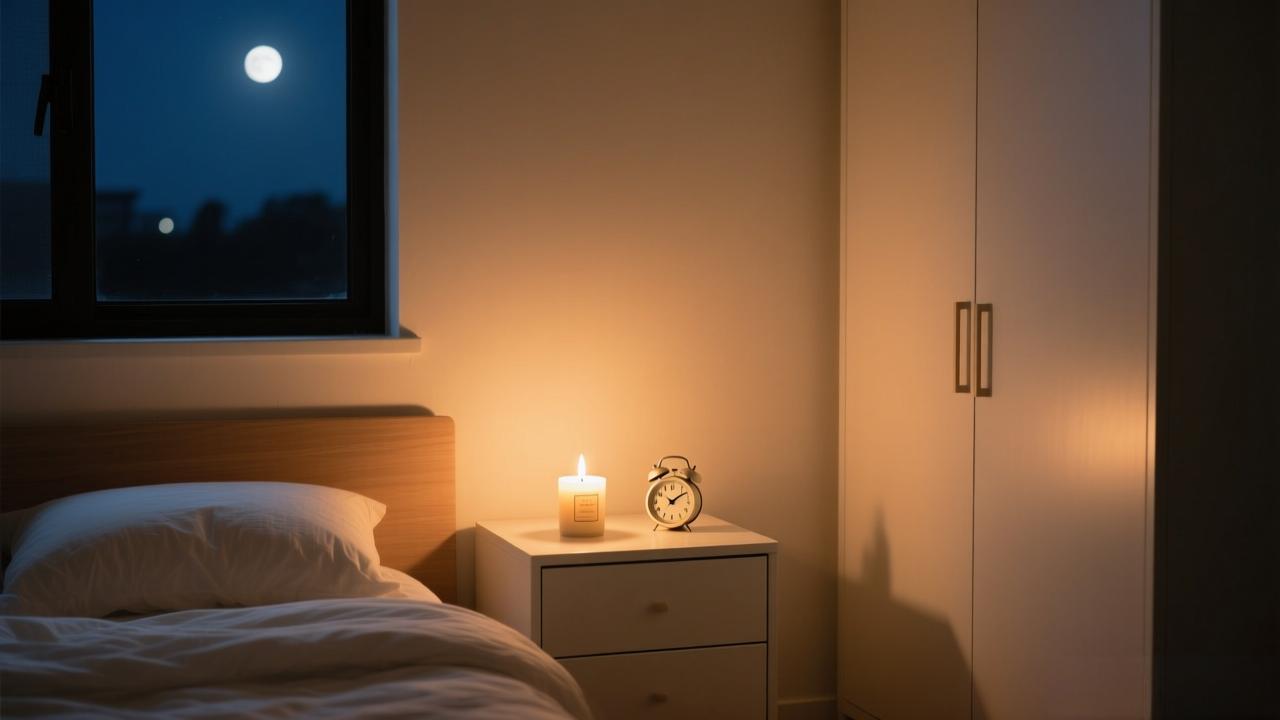
Scented candles are often associated with calm evenings, cozy homes, and moments of relaxation. We light them to unwind after a long day, to improve sleep, or simply to make a space feel warmer and more inviting.
But as scented candles become more popular, many people are starting to ask an important question: what are scented candles actually made of, and are they truly safe for our health and the environment?
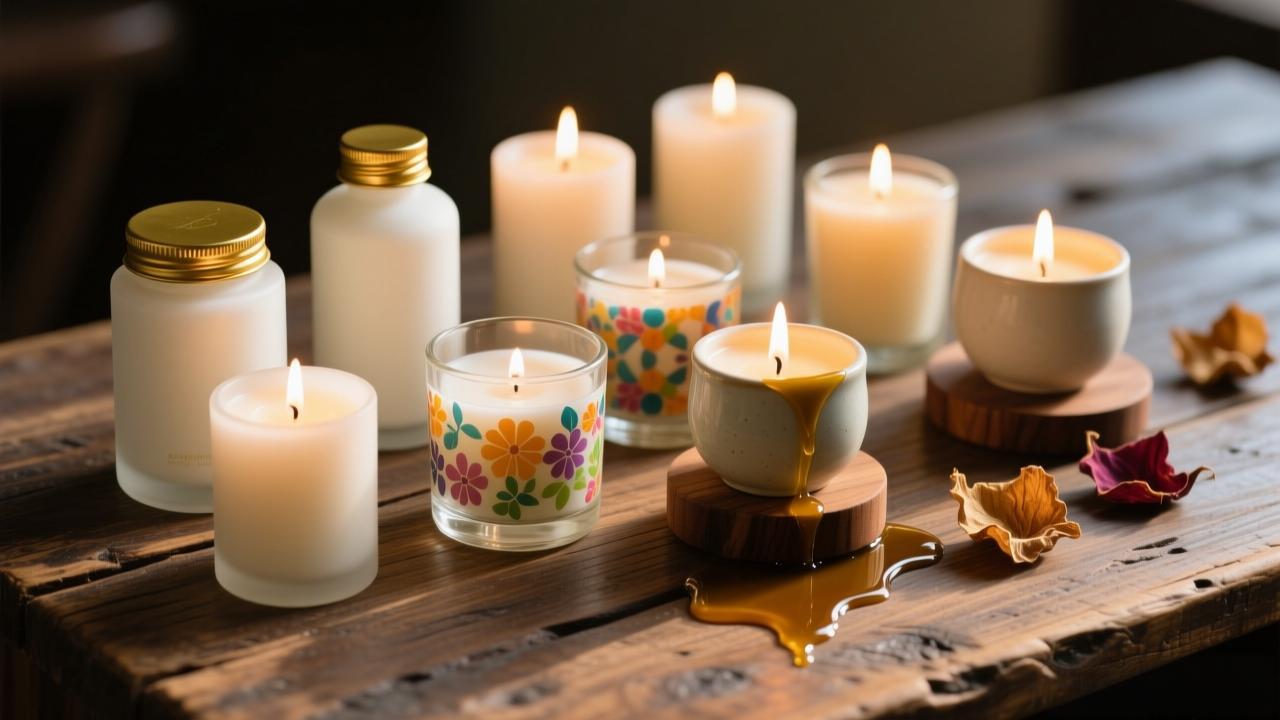
Not all candles are created equal. Some are clean and thoughtfully crafted, while others may release unwanted chemicals into the air. Understanding candle ingredients is the first step toward making healthier, more sustainable choices.
The Core Components of a Scented Candle
Most scented candles are made up of four main elements:
- Wax
- Fragrance
- Wick
- Additives or colorants (optional)
Each of these plays a role in how the candle burns, smells, and affects indoor air quality.
Candle Wax: The Foundation of Any Candle
Paraffin Wax
Paraffin wax is one of the most commonly used candle materials, mainly because it is inexpensive and holds fragrance well. However, it is a petroleum byproduct, which raises both health and environmental concerns.
When burned, paraffin candles may release small amounts of substances such as toluene and benzene, which are known air pollutants. While occasional use may not cause immediate harm, long-term exposure in enclosed spaces is not ideal.
Environmental impact:
Paraffin is non-renewable and not biodegradable, making it a less sustainable option.
Soy Wax
Soy wax is made from soybean oil and is widely regarded as one of the healthiest candle wax options available today.
Why people choose soy wax:
- Burns cleaner with less soot
- Derived from renewable resources
- Biodegradable
- Typically burns slower, meaning candles last longer
Soy wax candles are especially popular among people who value clean living, natural products, and sustainability.
Beeswax
Beeswax is a natural wax produced by honeybees and has been used in candle making for centuries.
Key characteristics:
- Naturally purifies the air by releasing negative ions
- Burns very cleanly
- Has a subtle, natural honey scent
However, beeswax candles are often more expensive and may not be considered vegan, which is an important factor for some buyers.
Coconut Wax and Blends
Coconut wax is a newer option that has gained popularity for its smooth texture and excellent scent throw.
It is often blended with soy or other natural waxes to improve performance.
Benefits include:
- Clean burning
- Sustainable sourcing
- Luxurious appearance and burn quality
Fragrance: Where Scent Meets Sensitivity
Synthetic Fragrance Oils
Many candles use synthetic fragrance oils because they are affordable and offer a wide variety of strong, consistent scents.
However, not all fragrance oils are transparent about their ingredients. Some may contain phthalates or other chemicals that can cause irritation, headaches, or respiratory discomfort in sensitive individuals.
This does not mean all fragrance oils are harmful, but quality and formulation matter greatly.
Essential Oils
Essential oils are extracted from plants, flowers, woods, and resins. When used correctly in candles, they can provide a more natural aromatic experience.
Things to keep in mind:
- Not all essential oils are safe for burning
- Some oils have low flash points
- Overuse can cause scent distortion or irritation
High-quality candle makers carefully select essential oils that are safe for heat diffusion and use them in balanced concentrations.
The Wick: A Small Detail With Big Impact
Cotton Wicks
Cotton wicks are the most common and generally the safest option. They provide a steady flame and clean burn when properly sized.
Look for cotton wicks that are:
- Lead-free
- Zinc-free
- Untreated or lightly treated
Wooden Wicks
Wooden wicks are popular for their soft crackling sound and aesthetic appeal.
They can burn cleanly when well-made, but poor-quality wooden wicks may struggle to stay lit or produce excess smoke. Proper trimming is essential.
Wicks to Avoid
In the past, some candles used metal-core wicks containing lead. While these are banned in many countries, low-quality imports may still pose risks.
Always choose candles clearly labeled as lead-free.
Additives, Dyes, and Enhancers
Some candles contain additives to improve scent throw, color, or burn performance. While not all additives are harmful, excessive use can reduce candle quality and increase soot.
Eco-friendly candles typically:
- Use minimal or no dyes
- Avoid unnecessary chemical enhancers
- Focus on simple, transparent formulations
Natural candles often embrace softer, earth-toned colors rather than bright artificial shades.
What Makes a Candle Truly Healthy?
A healthy scented candle usually meets the following criteria:
- Made with natural or plant-based wax
- Uses safe fragrance oils or essential oils
- Free from phthalates, parabens, and heavy metals
- Burns cleanly with minimal smoke
- Clearly labeled with ingredient transparency
Healthy candles should enhance well-being, not compromise it.
What Defines an Eco-Friendly Candle?
An environmentally responsible candle goes beyond just “natural” ingredients.
Key signs include:
- Renewable wax sources (soy, coconut, beeswax)
- Sustainable ingredient sourcing
- Minimal packaging or recyclable materials
- Ethical production practices
- Long burn time, reducing waste
Eco-friendly candles are often produced in small batches with attention to craftsmanship rather than mass production.
How to Choose Better Candles as a Consumer
When shopping for scented candles, ask yourself:
- Does the brand clearly explain its ingredients?
- Is the wax plant-based or petroleum-derived?
- Are the wicks labeled as lead-free?
- Does the scent feel clean or overpowering?
- Is the packaging reusable or recyclable?
Sometimes a candle that costs slightly more offers far greater value in terms of health, burn quality, and environmental impact.
A Thoughtful Candle Is More Than Just a Scent
A scented candle is something we bring into our homes, our bedrooms, and our quiet moments. It becomes part of our personal space and daily rhythm.
Choosing candles made with clean, eco-conscious ingredients is a simple but meaningful way to support better indoor air quality, sustainable practices, and mindful living.
In the end, the healthiest and most eco-friendly candle is one that feels good to burn — not just in the moment, but long after the flame has gone out.