For many people, lighting a scented candle has become part of their nightly routine. The soft glow, the gentle fragrance in the air, and the feeling of slowing down all signal that the day is coming to an end. But beyond atmosphere and habit, a common question remains: do scented candles actually help with sleep, or do they just feel relaxing?
The short answer is that scented candles can support better sleep — but not in a magical or instant way. Their effect is subtle, psychological, and deeply connected to how our senses, especially smell, interact with the brain. Understanding why scented candles may help you sleep requires looking at fragrance, mood, routine, and the environment we create before bedtime.
The Connection Between Scent and the Brain
Smell is one of the most powerful senses when it comes to emotion and memory. Unlike sight or sound, scent signals travel directly to the limbic system — the part of the brain responsible for emotions, memory, and stress regulation.
This direct pathway explains why certain smells can instantly make us feel calm, nostalgic, or comforted. When used intentionally before bed, calming fragrances can help shift the nervous system from an alert, active state into a more relaxed one.
Sleep does not begin the moment we lie down. It starts earlier, when the body receives cues that it is safe to rest. Gentle scents can act as one of those cues.
How Scented Candles Support Better Sleep
1. Creating a Clear Bedtime Signal
One of the biggest challenges to sleep today is overstimulation. Bright screens, notifications, and mental stress keep the brain in “day mode” long after evening arrives.
Lighting a scented candle at the same time every night helps create a consistent transition ritual. Over time, the brain begins to associate that specific scent with rest and winding down. This association is powerful — even before the candle fully burns, the body may start to relax simply because it recognizes the routine.
This is not placebo in a negative sense. It is conditioning, and it works.
2. Reducing Stress and Anxiety Before Bed
Stress is one of the most common causes of difficulty falling asleep. When stress hormones remain high, the body struggles to move into deeper relaxation.
Certain fragrance notes are widely known for their calming effects:
- Lavender is often associated with reduced anxiety and slower breathing.
- Chamomile creates a sense of warmth and comfort.
- Sandalwood and cedarwood feel grounding and steady.
- Vanilla is soft and emotionally soothing.
When these scents fill the room gently — not overpowering — they may help lower perceived stress and encourage mental calmness. This makes it easier to let go of racing thoughts before sleep.
3. Supporting a Calm Sleep Environment
Sleep quality is heavily influenced by environment. Light, temperature, sound, and scent all matter.
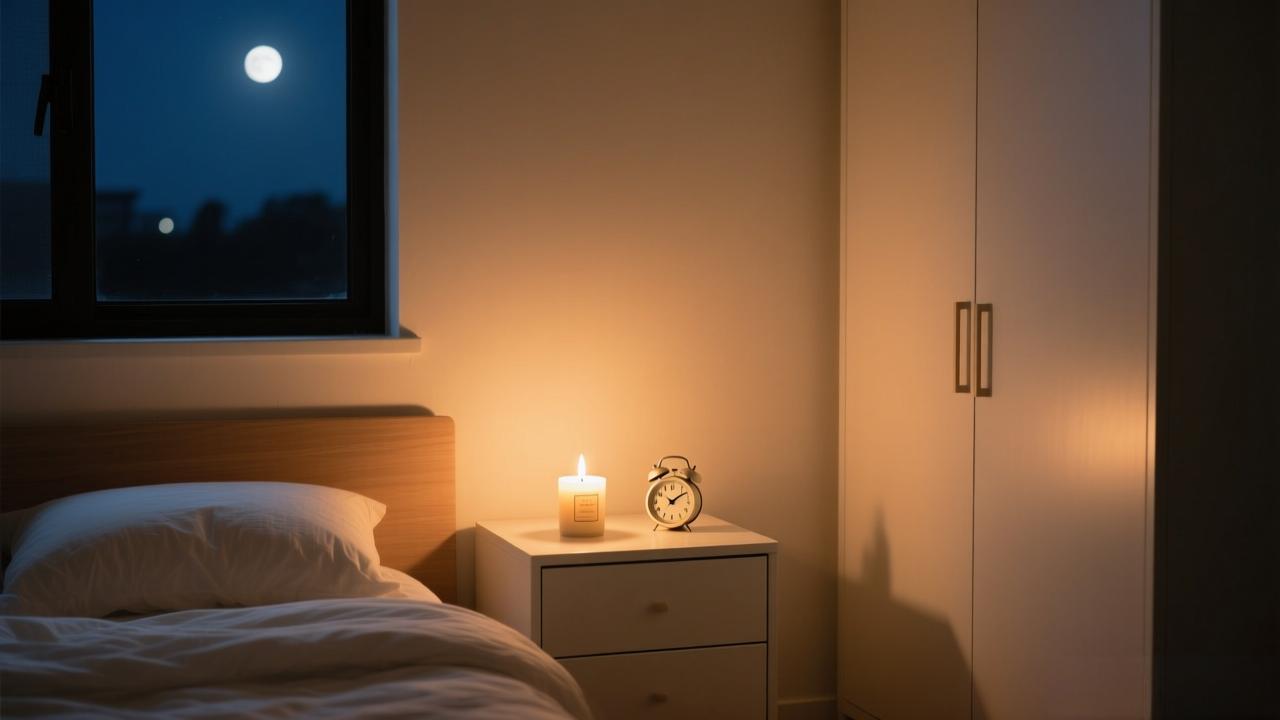
The soft flame of a candle provides low, warm lighting that contrasts sharply with harsh overhead lights or screens. This type of light signals evening to the brain and can help the body prepare for rest.
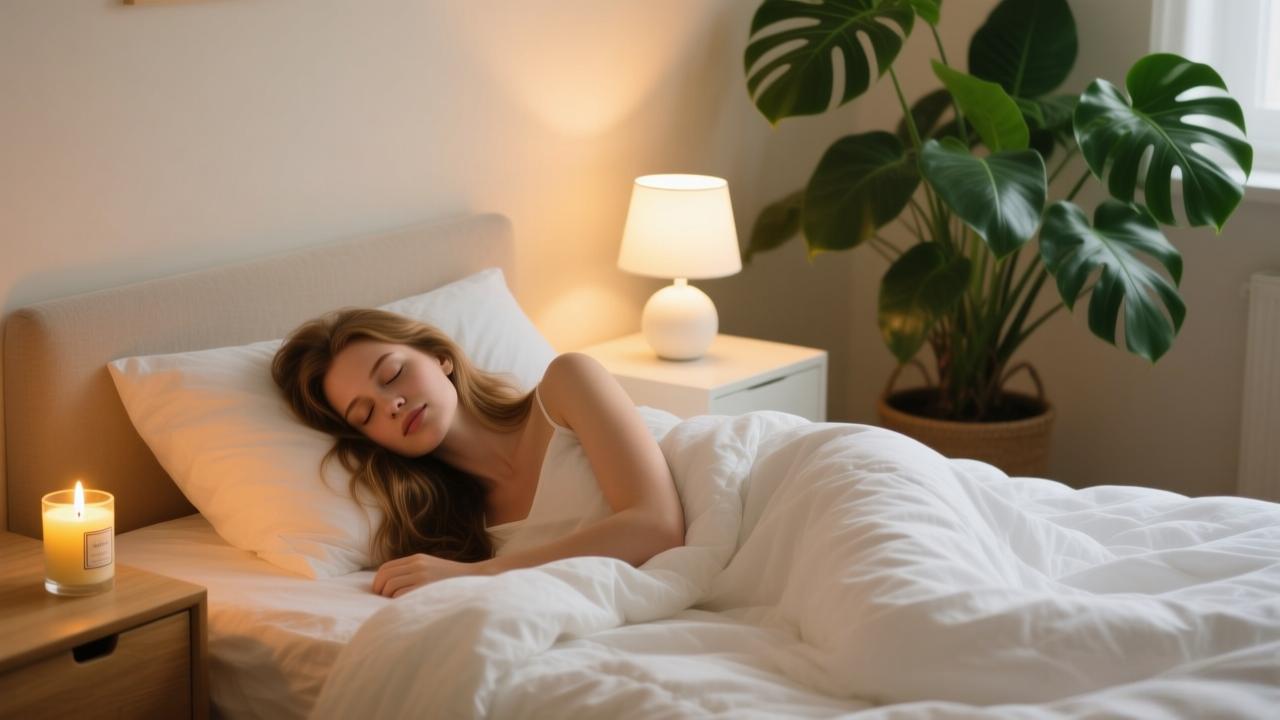
Combined with a subtle fragrance, a candle can transform a bedroom into a calmer space. When the environment feels safe and peaceful, the mind follows.
Why Not All Scented Candles Are Sleep-Friendly
It’s important to note that not every scented candle supports sleep. Some fragrances are energizing rather than calming.
Scents that may interfere with sleep include:
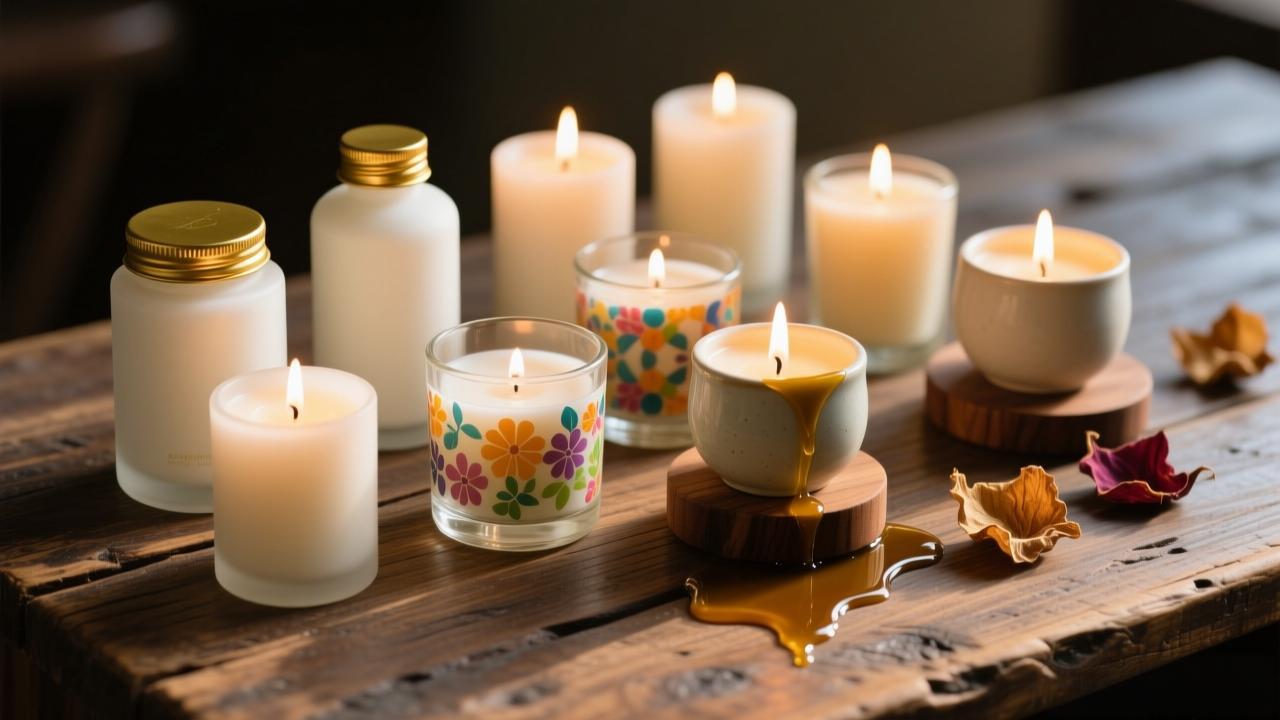
- Strong citrus notes like grapefruit or lemon
- Sharp herbal blends such as peppermint or eucalyptus
- Very sweet or synthetic-smelling fragrances
- Overly strong candles that dominate the room
Intensity matters as much as scent type. A candle meant for sleep should be subtle and balanced, never overwhelming.
The Role of Wax and Ingredients in Sleep Quality
The composition of a candle can also influence the sleep experience. While fragrance sets the mood, the wax and wick affect air quality.
Many people prefer candles made from soy wax or other natural waxes, as they tend to burn cleaner and produce less soot than traditional paraffin candles. A clean burn supports a fresher indoor environment, which is especially important in a bedroom.
Low-smoke, cotton or wood wicks are also commonly chosen for nighttime use because they feel gentler and quieter.
A candle that burns cleanly and evenly contributes to peace of mind — and peace of mind is essential for rest.
The Psychological Comfort of Ritual
Sleep is not just physical; it is emotional.
For many people, bedtime is the only quiet moment in an otherwise busy day. Lighting a candle becomes an act of self-care — a signal that it is time to slow down, breathe, and be present.
This emotional comfort matters. When the mind feels cared for, the body is more willing to rest.
In this sense, scented candles help sleep not by forcing it, but by inviting it.
How to Use Scented Candles for Better Sleep
To get the most benefit, intention matters. Here are a few simple guidelines:
- Light the candle 30–60 minutes before bed, not right at sleep time.
- Allow the fragrance to gently fill the room, then extinguish the flame before sleeping.
- Use the same scent consistently to strengthen the sleep association.
- Keep the candle at a safe distance and never leave it burning unattended.
- Pair candle use with other calming habits, such as reading or light stretching.
Used this way, a scented candle becomes part of a larger sleep-supporting routine.
Can Scented Candles Replace Sleep Aids?
Scented candles are not a medical solution, and they do not replace treatment for chronic insomnia. However, they can play a valuable role in improving sleep readiness and sleep quality for many people.
Think of them as a gentle support — not a cure, but a companion to healthier sleep habits.
Final Thoughts
So, do scented candles help with sleep?
They can — when chosen carefully and used thoughtfully. Through calming fragrances, soft lighting, and comforting routines, scented candles help create the mental and emotional conditions that make sleep feel natural again.
In a world that rarely slows down, even small rituals can make a meaningful difference. Sometimes, better sleep begins not with effort, but with atmosphere.