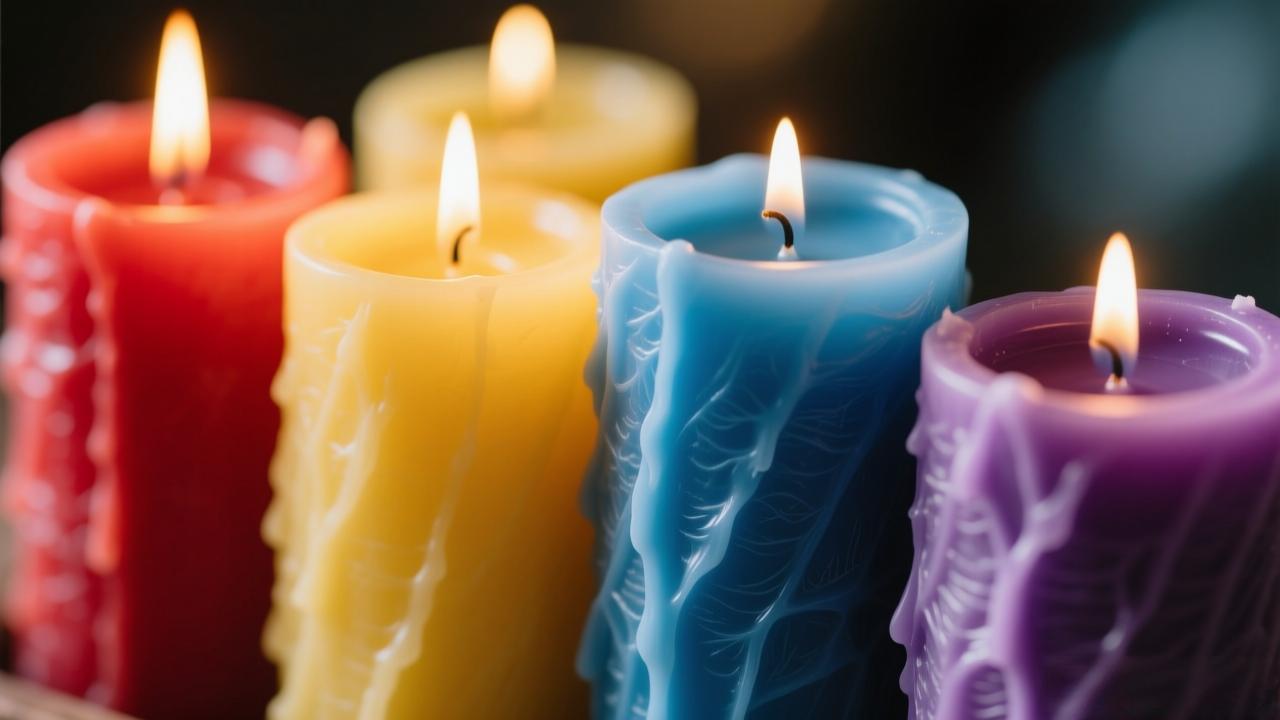
When people talk about scented candles, the focus is usually on fragrance — how it smells, how strong it is, or whether it feels relaxing. But what truly defines the quality of a candle is not just its scent. It’s the ingredients behind it.
From the type of wax to the wick at the center, every component plays a role in how a candle burns, how it releases fragrance, and how it feels to use over time. Understanding candle ingredients helps you make more informed choices and appreciate why some candles feel clean and calming, while others feel harsh or overwhelming.
This guide takes a closer look at the key materials used in scented candles, how they work together, and why ingredient choices matter.
Wax: The Foundation of Every Candle
Wax makes up the largest portion of a candle, and it largely determines burn quality, scent throw, and overall experience. Different waxes behave very differently when heated, which is why the type of wax used matters more than many people realize.
Soy Wax
Soy wax is made from hydrogenated soybean oil and is widely used in modern scented candles. It is valued for its relatively clean burn, smooth appearance, and slower burn time.
Because soy wax melts at a lower temperature than some other waxes, it tends to release fragrance more gently. This makes it especially suitable for candles designed for relaxation or evening use, where a softer scent is often preferred.
Soy wax is also known for producing less visible soot when burned properly, which contributes to a cleaner overall experience. Its natural origin and versatility have made it a popular choice for brands focused on simplicity and comfort.
Paraffin Wax
Paraffin wax is derived from petroleum and has been used in candle making for decades. It is excellent at holding and throwing fragrance, which is why many strongly scented candles use it.
However, paraffin burns at a higher temperature and can produce more soot if not carefully formulated. While it remains common, some people prefer alternatives due to personal comfort or ingredient preferences.
Beeswax
Beeswax is a natural wax produced by honeybees and is known for its long burn time and subtle, naturally warm aroma. It burns slowly and evenly, often with a soft, steady flame.
Because beeswax has a mild natural scent, it is typically used in unscented or lightly scented candles. Its higher cost and distinct characteristics make it less common in heavily fragranced products.
Coconut and Other Plant Waxes
Coconut wax and other plant‑based waxes are sometimes blended with soy wax to improve smoothness, scent performance, or burn behavior. These blends aim to combine the strengths of different waxes while maintaining a gentle burn.
Fragrance: More Than Just a Smell
Fragrance is what gives a candle its character, but not all fragrances are the same. The composition and balance of fragrance ingredients determine whether a candle feels calming, neutral, or overpowering.
Fragrance Oils
Most scented candles use fragrance oils, which are carefully formulated blends designed to perform well in wax. These blends may include natural extracts, aroma compounds, or both.
A well‑balanced fragrance oil should release scent evenly as the candle burns, without becoming too strong or fading too quickly. High‑quality fragrance formulations focus on stability, clarity, and consistency.
Essential Oils
Essential oils are derived from plants through distillation or cold pressing. While they are often associated with aromatherapy, not all essential oils perform well in candles.
Some essential oils can be sensitive to heat or may not provide a consistent scent when burned. For this reason, they are sometimes used selectively or blended with other fragrance components to achieve a stable result.
Scent Balance and Intensity
The amount of fragrance used in a candle matters as much as the type. More fragrance does not always mean a better candle. Overloading a candle with scent can affect how it burns and may feel overwhelming in enclosed spaces.
Candles designed for relaxation often use moderate scent levels that create atmosphere without dominating the room.
Wicks: The Quiet Workhorse
The wick is often overlooked, yet it plays a crucial role in how a candle performs. A properly chosen wick ensures an even burn, a steady flame, and minimal smoke.
Cotton Wicks
Cotton wicks are commonly used in scented candles due to their reliability and clean burn. They are often braided or woven to control flame size and burn rate.
Wooden Wicks
Wooden wicks create a distinctive visual effect and a gentle crackling sound when burned. They require precise sizing to avoid tunneling or uneven burning but can add to the overall sensory experience.
Wick Size and Candle Performance
Wick size must be matched to the wax type, candle diameter, and fragrance load. A wick that is too small may cause tunneling, while one that is too large can produce excess smoke.
This balance is one of the most important aspects of candle formulation and directly affects safety and enjoyment.
Colorants and Additives
Some candles include dyes or additives to achieve a specific appearance or performance. High‑quality candles tend to use these elements sparingly.
Colorants are added primarily for visual appeal and should not interfere with burn quality. Additives, when used, are intended to improve scent throw or texture rather than mask formulation issues.
How Ingredients Affect the Candle Experience
The combination of wax, fragrance, and wick determines how a candle behaves from the first burn to the last. Ingredient choices influence:
- How evenly the candle melts
- How cleanly it burns
- How gently or strongly scent is released
- How long the candle lasts
A well‑made candle feels consistent and balanced, without harsh smoke or uneven melting.
Choosing Candles with Intention
Understanding candle ingredients allows you to choose products that align with how you want a candle to feel in your space. Whether your priority is a clean burn, subtle scent, or long‑lasting performance, ingredients provide valuable insight.
Rather than focusing only on fragrance names or appearance, taking a moment to look at what goes into a candle can help you appreciate the craftsmanship behind it.
At its core, a candle is a simple object. But when its ingredients are chosen thoughtfully, it becomes something more — a quiet companion for slowing down, reflecting, and creating moments of calm.