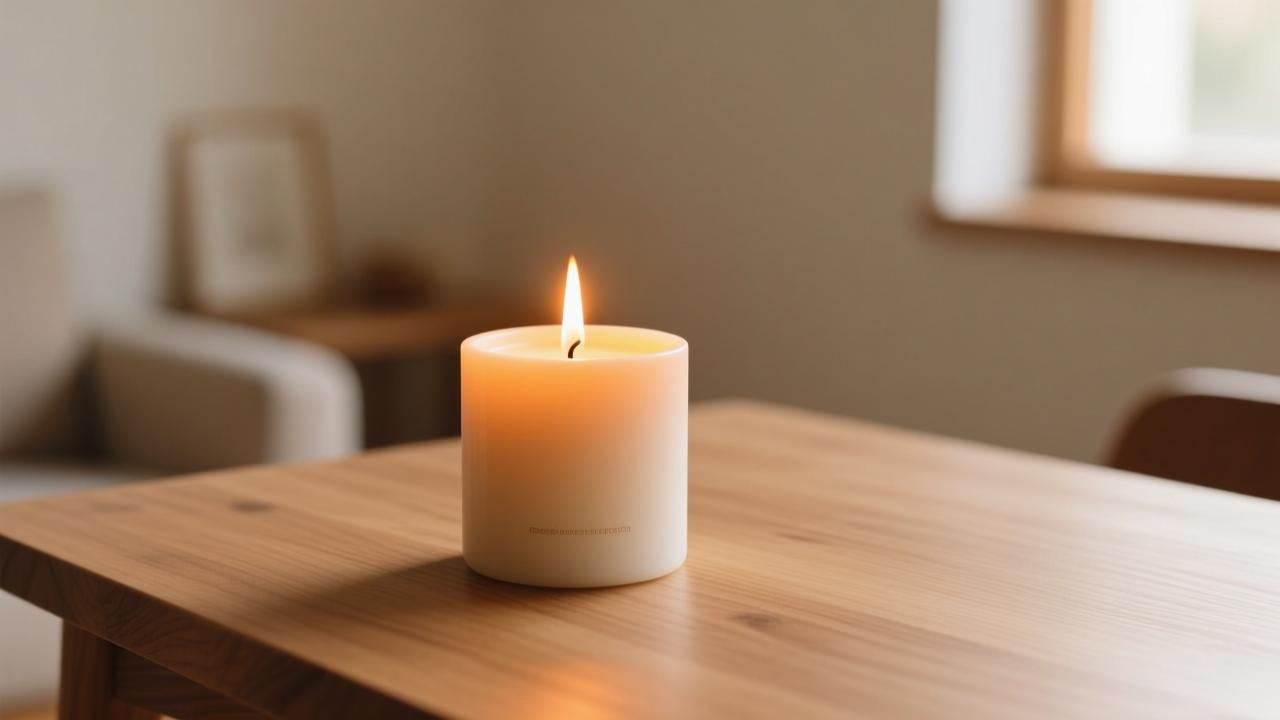
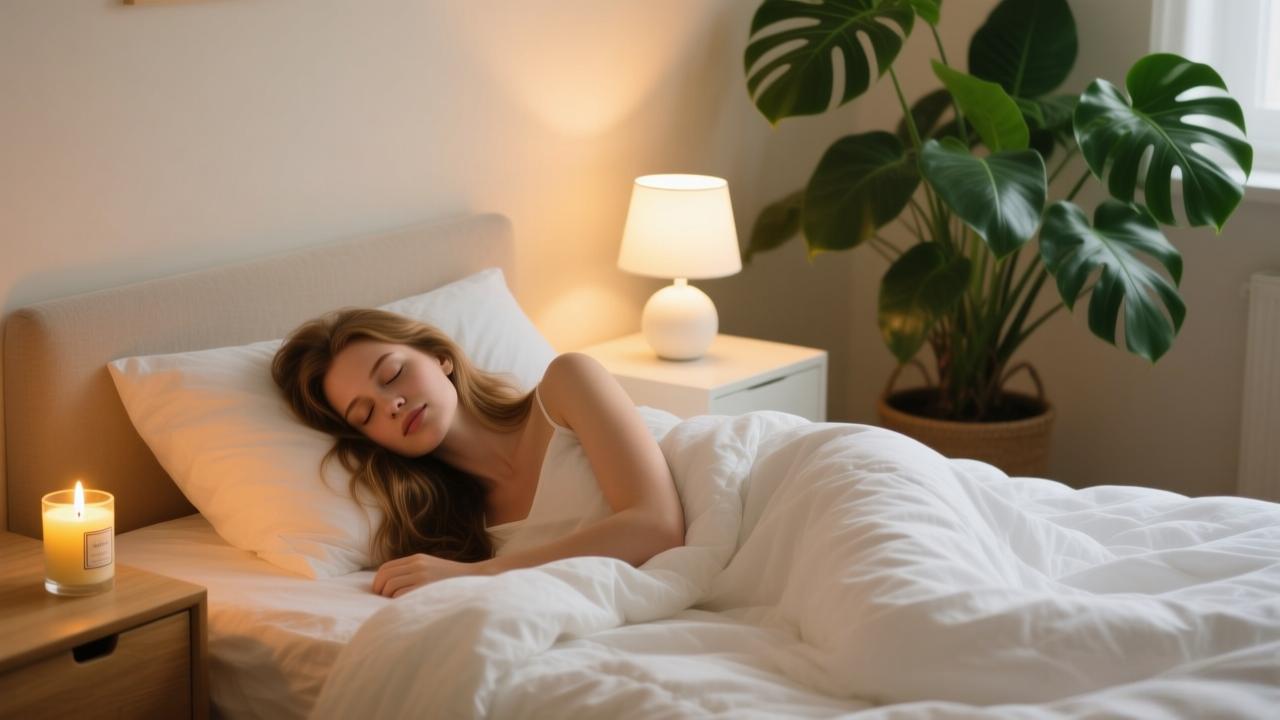
I’ll be honest: I used to fall asleep with a candle burning on my nightstand more times than I want to admit.
There’s something deeply comforting about the soft flicker of light and a gentle scent filling the room at the end of a long day. Lavender, chamomile, sandalwood—those aromas can feel like a signal to your nervous system that it’s finally okay to slow down.
But at some point, a very practical question starts to creep in: is it actually safe to sleep with a scented candle burning?
This article isn’t meant to scare you. It’s meant to give you clear, grounded information so you can enjoy scented candles responsibly—without putting your home, your health, or your peace of mind at risk.
Why So Many People Light Candles Before Bed
Using candles as part of a nighttime routine isn’t a trend—it’s a habit that’s been around for centuries. The reasons are surprisingly practical.
For many people, scented candles help signal the transition from “day mode” to “rest mode.” The combination of warm light and familiar fragrance creates a sensory cue that it’s time to unwind. I personally find that lighting a candle while reading or stretching helps me detach from screens much faster than simply turning the lights off.
Certain scents—especially lavender—are commonly associated with relaxation and sleep support. If you’re curious about how lavender specifically interacts with sleep, this deep dive on whether lavender candles really help with sleep is worth reading.
But comfort and effectiveness don’t automatically equal safety.
The Real Safety Risk Isn’t the Scent—It’s the Flame
Let’s clear up a common misconception right away.
The biggest danger of sleeping with a scented candle burning is not the fragrance. It’s the open flame.
Any candle—scented or unscented—introduces fire into your home. Once you fall asleep, you lose awareness and reaction time. If something goes wrong, you won’t notice until it’s too late.
Common risks include:
- The candle tipping over due to pets, drafts, or unstable surfaces
- Flames reaching curtains, bedding, or wall décor
- Containers overheating or cracking
- Wicks burning too low and igniting residue or debris
According to fire safety experts, candles are one of the leading causes of home fires related to relaxation activities. Almost all of those incidents involve unattended flames.
What About Air Quality While You Sleep?
Beyond fire safety, people often ask about breathing in scented candle emissions overnight.
This is where candle quality actually matters.
Low-quality candles made from paraffin wax and synthetic fragrance oils can release soot and potentially irritating compounds when burned for long periods—especially in poorly ventilated rooms.
In contrast, well-made candles using natural waxes like soy or beeswax, paired with thoughtfully sourced fragrance oils or essential oils, tend to burn cleaner.
That said, even the cleanest candle still consumes oxygen and releases byproducts of combustion. While a single candle in a ventilated room is unlikely to cause harm, sleeping for hours with a burning candle is unnecessary exposure.
Why “Just One Night” Can Turn Into a Habit
This is something I noticed in myself.
At first, I only fell asleep with a candle burning accidentally—usually after a long day. Then it started to feel normal. Familiar. Almost comforting.
The problem is that habits built around unconscious behavior are the riskiest ones. Once falling asleep with a candle feels routine, you stop actively assessing the environment.
That’s when mistakes happen.
The Safest Way to Use Scented Candles at Night
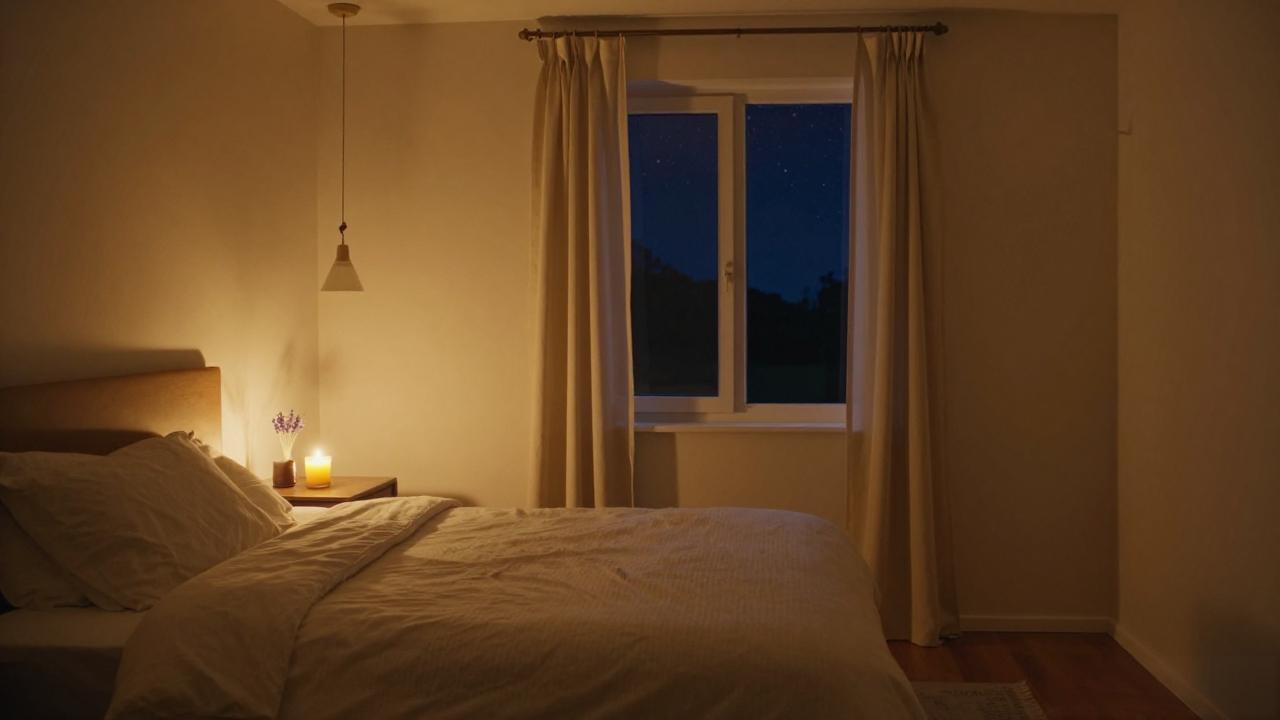
If scented candles help you relax before bed, you don’t need to give them up. You just need a smarter approach.
Light the candle earlier in your evening routine
Use your candle during activities that help you wind down—reading, journaling, stretching, or taking a bath. Let the scent fill the room while you’re still awake and aware.
Extinguish it before getting into bed
This is the single most important rule.
Blow out the candle or use a snuffer before you lie down. The fragrance will linger for quite a while, especially if the room is moderately enclosed.
Always use a heat-safe container
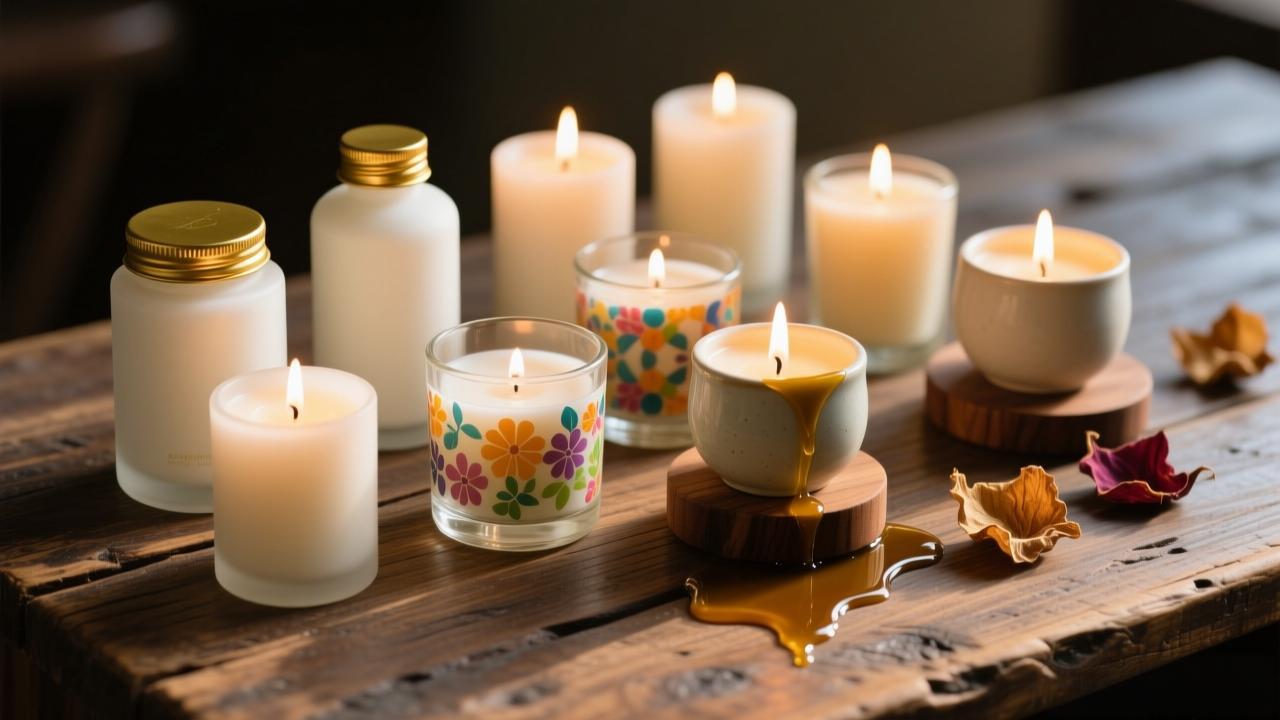
A quality candle should be poured into a thick, heat-resistant vessel. Thin glass or decorative containers not designed for candles can crack under prolonged heat.
Place candles away from airflow and flammable items
Nightstands near curtains, books, or charging cables are not ideal. Keep candles on stable, uncluttered surfaces.
Ventilation matters more than people think
Even cracking a door or window slightly helps maintain fresh airflow and reduces lingering combustion byproducts.
What I Do Now (And Why I Sleep Better)
These days, my routine looks different.
I light a candle about an hour before bed while I read or stretch. Once I’m ready to sleep, I blow it out, take a few deep breaths, and let the scent remain as a background presence rather than an active flame.
Ironically, I fall asleep faster now. There’s no subtle anxiety about whether I forgot to blow something out. No half-conscious checking of shadows or flickering light.
Relaxation works best when your body feels genuinely safe.