If you’ve ever found yourself lighting a candle in the evening and feeling just a little calmer, you’re not alone. Many people associate candles with winding down, quiet moments, and a sense of comfort before bed. But are candles actually good for sleep — or is it just a comforting habit?
The honest answer is: sometimes they help, and sometimes they don’t. It depends on the person, the candle, and how it’s used.
When candles can help you sleep
For certain people, candles can play a genuinely positive role in a bedtime routine — not because they “force” sleep, but because they help the body and mind slow down.
1. If you struggle with mental overstimulation at night
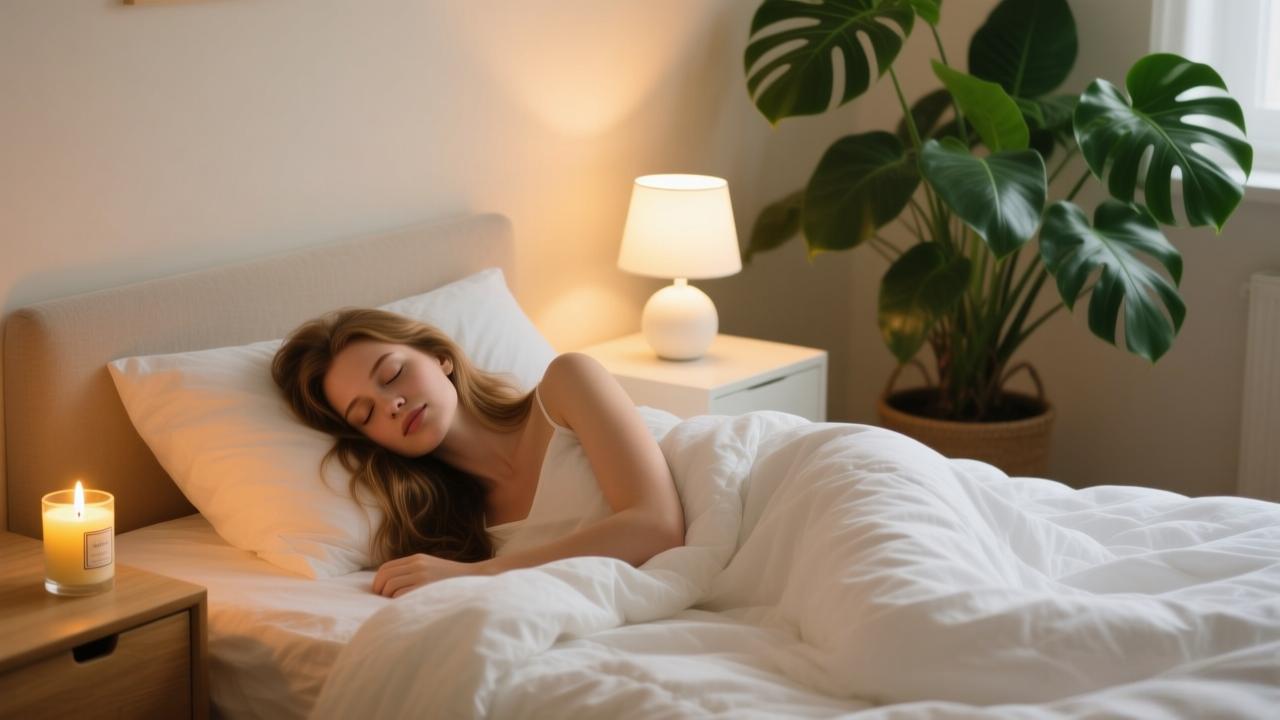
People who lie in bed with racing thoughts often benefit from small, calming rituals. Lighting a candle signals a transition: work is done, screens are off, and the evening has begun. That sense of routine can make it easier to relax, even before you consciously notice it.
2. If scent strongly affects your mood
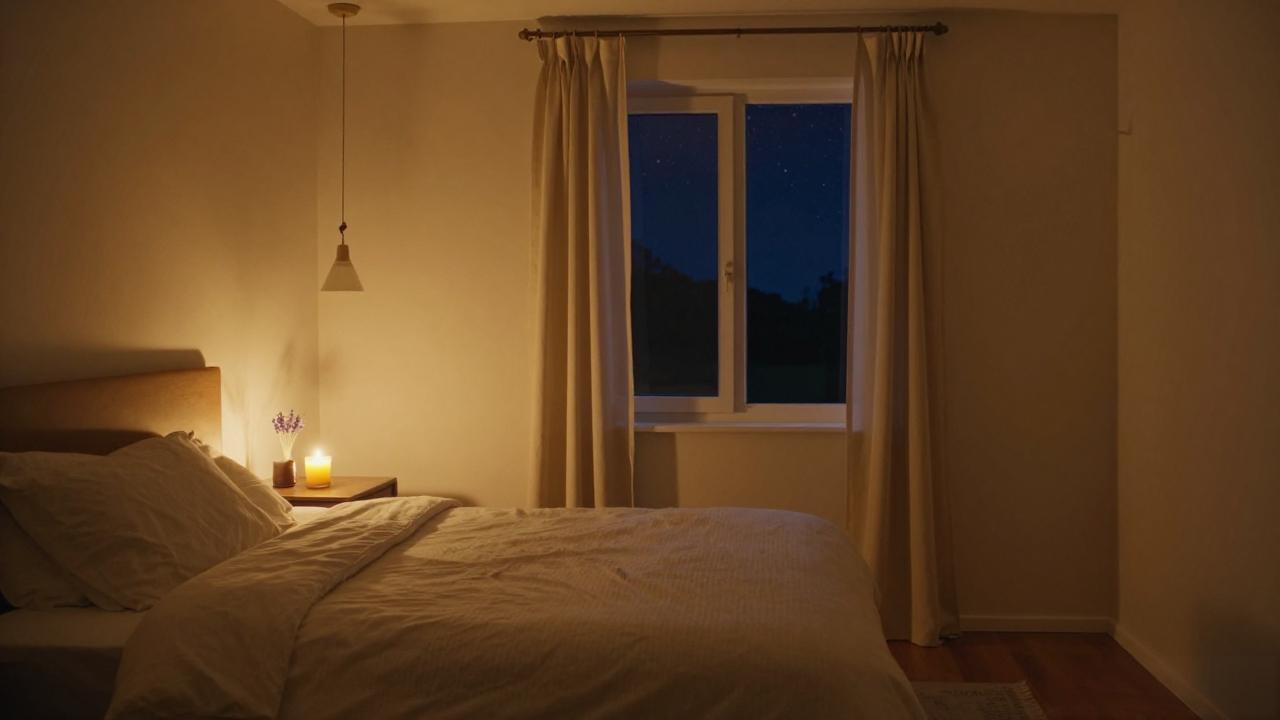
Some people are especially sensitive to smell. Gentle scents like lavender, soft woods, or subtle herbal notes can create a feeling of safety and familiarity. Over time, the brain may begin to associate that scent with rest, making it easier to unwind.
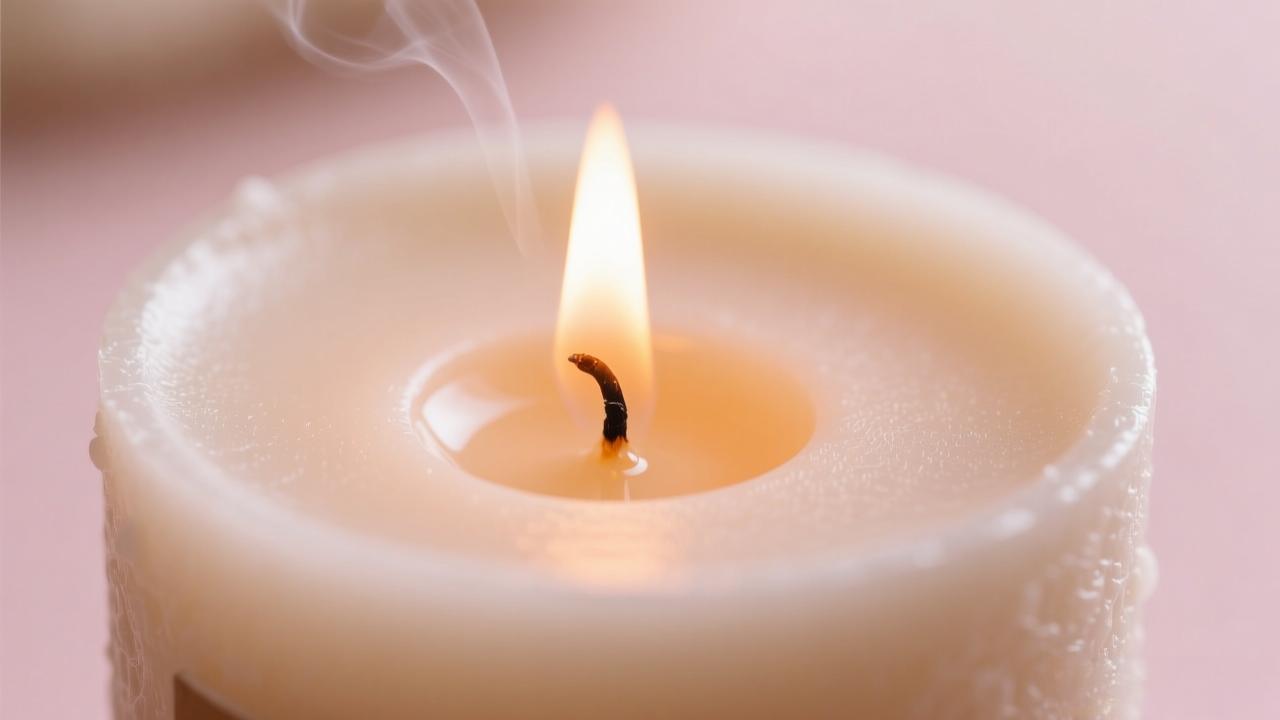
3. If you already have a consistent bedtime routine
Candles tend to work best when they’re part of something bigger — a warm shower, quiet music, reading, or meditation. On their own, candles won’t fix poor sleep habits, but paired with consistency, they can reinforce a sense of calm.
When candles may not help — or may even work against you
Just as important as knowing when candles help is knowing when they don’t.
1. If you’re sensitive to strong scents
Heavily fragranced candles can be overwhelming for some people, especially at night. Instead of relaxing, they may cause headaches, irritation, or restlessness. In these cases, unscented or very lightly scented candles are often a better option — or no candle at all.
2. If the candle is made with low-quality materials
Candles made with paraffin wax or synthetic fragrances can release smells that feel “sharp” or artificial when burned. Even if the scent seems pleasant at first, it may become distracting over time, which is the opposite of what you want before sleep.
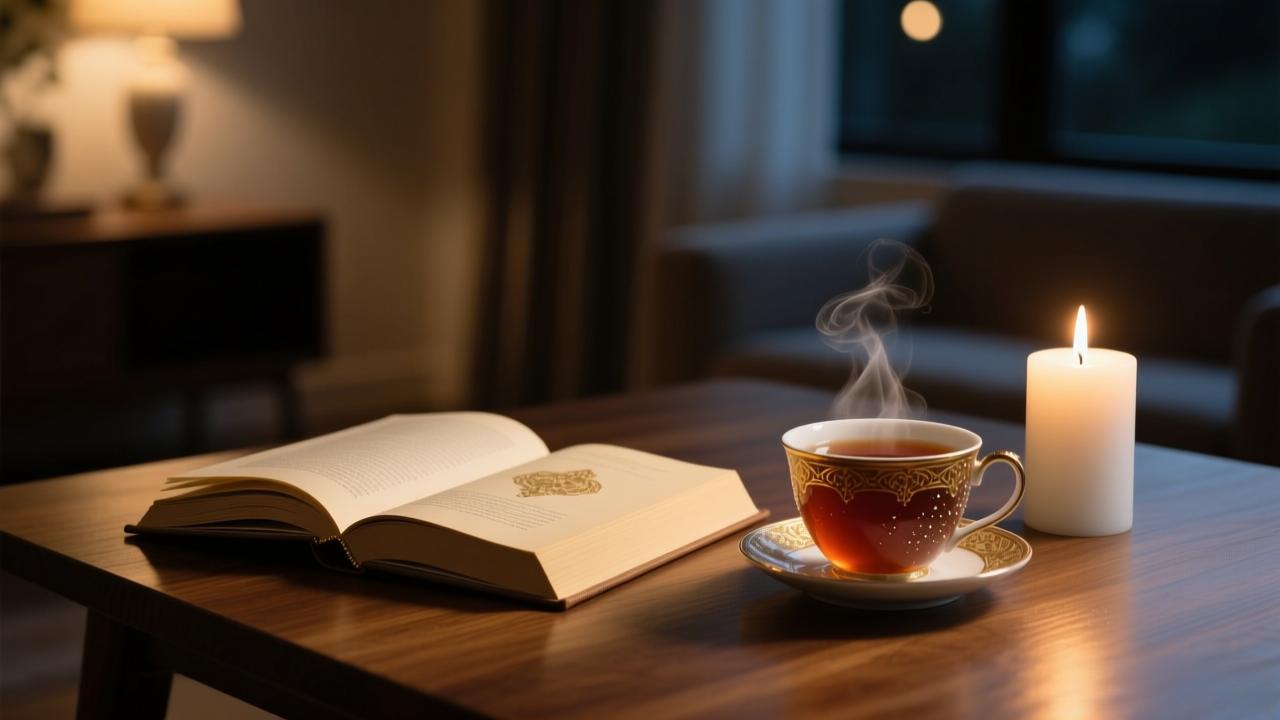
3. If safety concerns keep you alert
If you’re lying in bed worrying about whether you remembered to blow out the candle, it’s clearly not helping. Anxiety — even mild — can interfere with falling asleep, no matter how calming the scent is.
Who candles tend to work best for
Based on common experiences, candles are most helpful for:
- People who enjoy slow, intentional evening routines
- Those who find comfort in soft lighting rather than bright overhead lights
- Anyone looking for a non-digital way to signal “wind-down time”
They’re usually less helpful for people who are highly scent-sensitive, light sleepers who need complete darkness, or anyone uncomfortable with open flames.
How to use candles safely as part of a sleep routine
Safety matters — and it also affects how relaxed you feel.
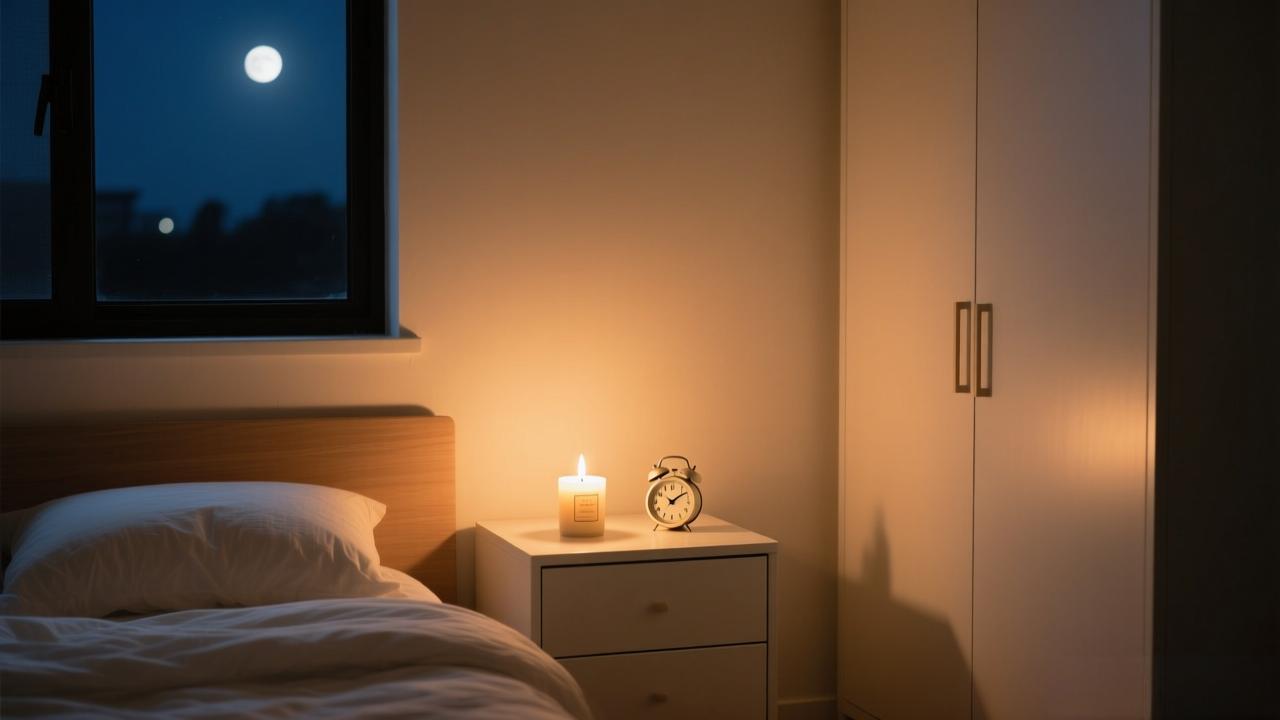
Burn time: Light your candle 30–60 minutes before bed, then extinguish it before you lie down. This allows the scent to linger without the distraction of an open flame.
Ventilation: A slightly open window or good air circulation helps prevent the scent from becoming too heavy.
Placement: Keep the candle on a stable surface, away from bedding, curtains, or anything flammable.
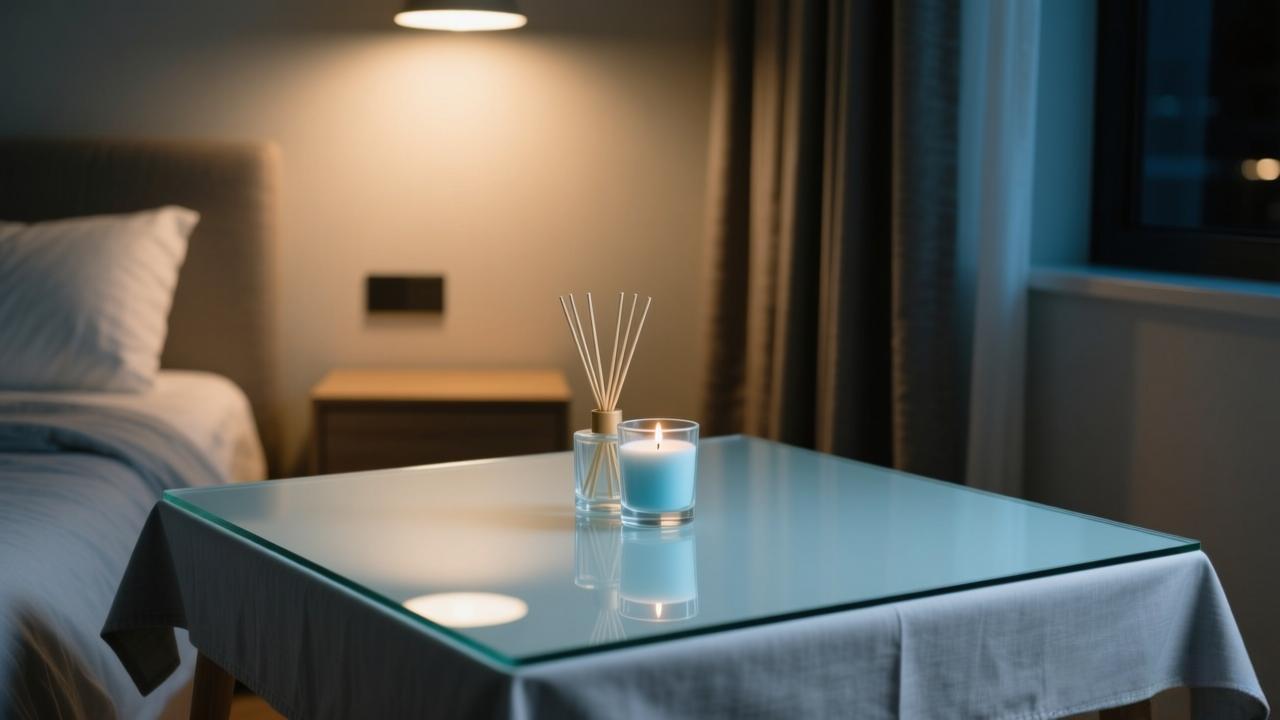
Choosing a candle that won’t disrupt your sleep
If you do choose to use candles at night, the type of candle makes a real difference. Look for natural waxes, subtle scent profiles, and simple ingredient lists. The goal is calm, not intensity.
Some people prefer candles designed specifically for evening use — ones with softer aromas and cleaner burns. For example, a gently scented soy candle created for nighttime routines can fit naturally into a calm bedtime ritual without overpowering the senses.
If you’re curious, you can see an example of a candle designed with this intention in mind here. It’s the kind of candle meant to support relaxation, not dominate the room.
So, are candles good for sleep?
Candles don’t magically create sleep, but for the right person, in the right setting, they can support the transition from a busy day to a quieter night. The key is paying attention to how your body responds — and being honest about whether the ritual truly helps you unwind.
Sometimes, the most effective sleep aids are the simplest ones: a familiar scent, softer light, and a moment of calm before the day ends.