Insomnia doesn’t always show up as a dramatic, sleepless battle. Sometimes it’s quieter than that.
You lie down on time. The lights are off. Your phone is face down on the table. Yet your mind keeps moving — replaying conversations, planning tomorrow, or simply refusing to slow down. For many people, insomnia is less about a medical condition and more about an overactive nervous system that never quite switches off.
This is where candles for insomnia often enter the conversation — not as a treatment, not as a cure, but as a small, intentional tool to support relaxation before sleep.
Important note: Scented candles are not a medical treatment for insomnia. They do not diagnose, cure, or prevent sleep disorders. What they can do, however, is help create a calmer environment that may make it easier to relax and fall asleep naturally.

Why Relaxation Matters More Than “Falling Asleep”
When people search for candles for insomnia, they are often chasing one thing: sleep. But sleep itself is not something you can force.
Sleep is a result. Relaxation is the process.
Many sleep difficulties are rooted in mental tension rather than physical discomfort. Stress hormones stay elevated, breathing becomes shallow, and the body remains in “alert mode” long after the day has ended.
Gentle sensory cues — soft light, familiar scents, and quiet routines — help signal to the brain that it’s safe to slow down. This is where candlelight and subtle fragrance can play a supportive role.
How Scented Candles Can Support a Calming Night Routine
Candles influence sleep indirectly, through atmosphere rather than biology.
Here’s how they may help some people unwind before bed:
- Soft, warm light feels less stimulating than overhead lighting and helps reduce visual stress.
- Familiar scents can become mental cues for relaxation when used consistently.
- Ritual and routine tell the brain that it’s time to transition from activity to rest.
Over time, lighting a candle at the same hour each night can become a signal — not unlike a bedtime story or a cup of herbal tea — that the day is winding down.
A Personal Experience: When I Finally Slept Without Trying
I didn’t start using candles because I thought they would “fix” my sleep.
At the time, I was simply tired of staring at the ceiling. Every night felt like a negotiation with my own thoughts. The more I tried to fall asleep, the more awake I felt.
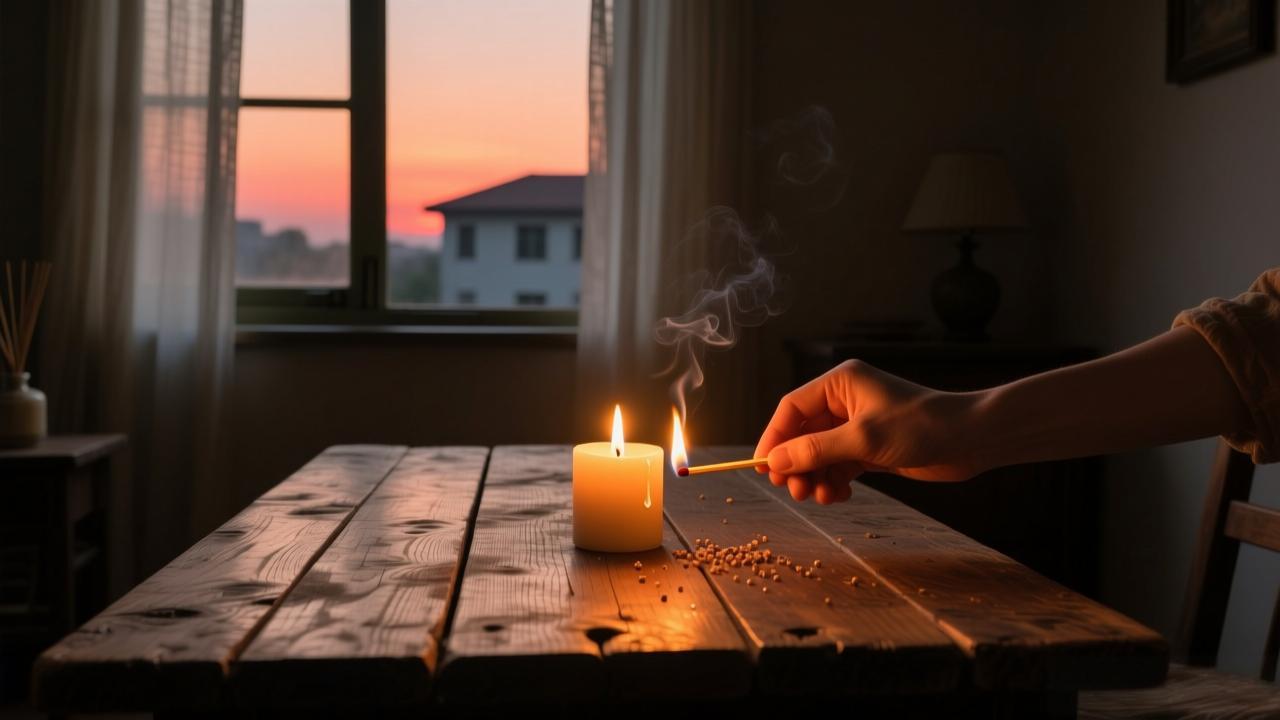
One evening, instead of forcing myself into bed, I lit a candle and sat quietly in the dim light. No phone. No expectations. Just the soft flicker and a gentle scent filling the room.
I didn’t tell myself I had to sleep. I told myself I could rest.
Somewhere between slowing my breathing and watching the flame dance, my shoulders dropped. My thoughts softened. And eventually — without effort — I fell asleep.
It didn’t happen instantly every night after that. But over time, the candle became a signal. When it was lit, my body learned that it was allowed to relax.
Choosing Candles for Insomnia: What Actually Matters
If you’re considering candles as part of a nighttime routine, the details matter more than the label.
Look for candles that prioritize:
- Clean-burning wax, such as natural soy wax, to reduce irritation and smoke.
- Subtle fragrance rather than overpowering scent throw.
- Simple ingredient lists that avoid unnecessary additives.
Gentle scents are often preferred at night, as they feel less stimulating and easier to associate with calm.
If you’d like to explore how different candle fragrances affect mood and emotional states, this guide may help:
How Different Scented Candle Fragrances Affect Your Mood and Emotions
Setting the Right Expectations
It’s important to be honest about what candles can and cannot do.
They won’t replace healthy sleep habits. They won’t override severe insomnia or medical sleep disorders. And they won’t work if your mind is still scrolling through tomorrow’s to-do list.
What they can offer is a moment of pause — a gentle transition from alertness to rest.
For many people, that moment is enough to make sleep feel possible again.
Making Candles Part of a Wind-Down Ritual
If you want to try candles for insomnia, consistency matters more than duration.
You might light your candle:
- 30–60 minutes before bed
- While journaling or reading quietly
- During slow breathing or light stretching
The goal isn’t to stay awake longer. The goal is to stop trying so hard.
When relaxation comes first, sleep often follows on its own.
Final Thoughts
Candles for insomnia are not about chasing perfect sleep. They’re about creating a softer ending to the day.
In a world that rarely slows down, even small rituals can matter. Sometimes, all it takes is dim light, a familiar scent, and permission to rest.