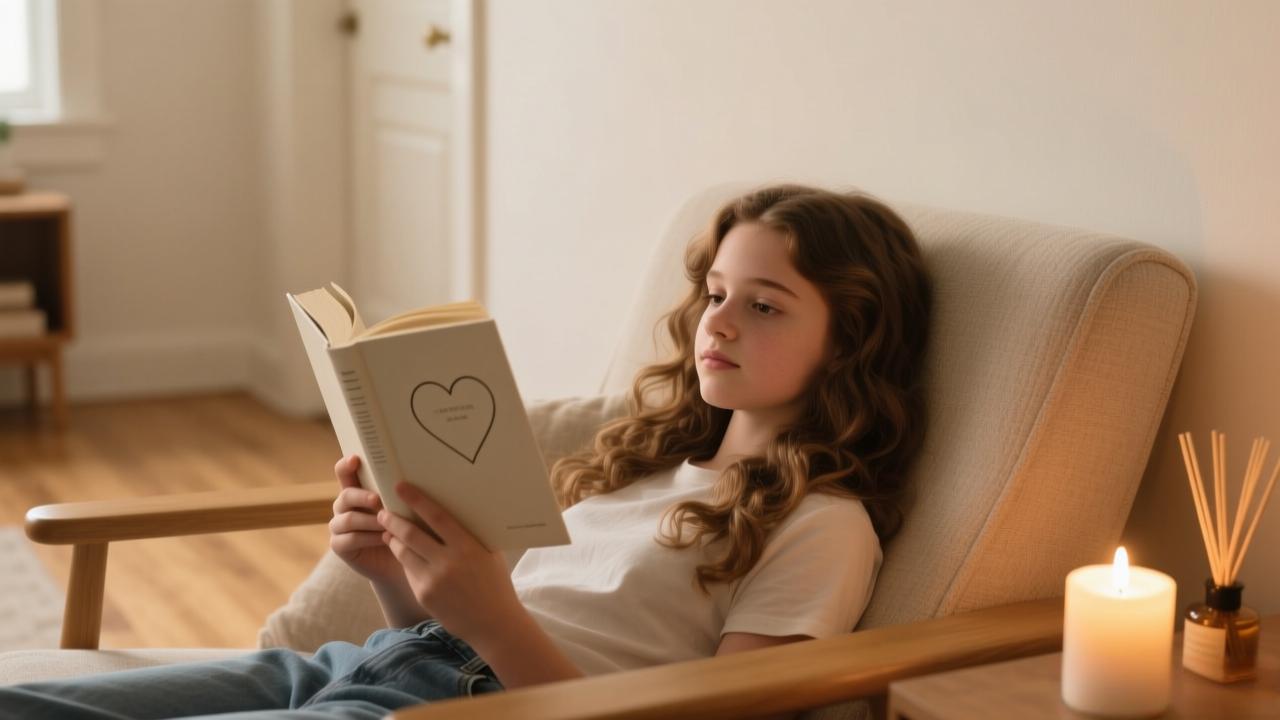
Many people start using scented candles with a simple expectation: the room will smell nicer, and the atmosphere might feel a little more comfortable. Over time, however, regular users often notice that different candle scents don’t just change the smell of a space. They subtly influence mood, focus, energy levels, and even how the body responds to certain moments in the day.
Scent interacts with the brain in a way that bypasses logic. Unlike visual or auditory information, smell is processed directly by areas associated with emotion and memory. This is why a familiar fragrance can instantly bring a sense of calm, alertness, or nostalgia, even before you consciously identify what you’re smelling. When used intentionally, scented candles become less about decoration and more about shaping how a space feels.
Floral and herbal scents are often associated with rest and emotional softness. Lavender is one of the most widely used examples, not because it is trendy, but because its aroma tends to feel clean, gentle, and unobtrusive. When burned in the evening, lavender candles usually create an atmosphere that feels quieter, both mentally and physically. Thoughts don’t necessarily disappear, but they slow down. Many people describe the experience as feeling less “on edge,” especially after long days filled with screens and constant stimulation.
Chamomile offers a similar sense of ease, though its emotional tone is slightly different. Where lavender can feel cool and airy, chamomile is often perceived as warmer and more comforting. It doesn’t push the body toward sleep, but it encourages a sense of safety and softness. This makes chamomile-based candles especially appealing during moments of emotional fatigue, when what’s needed is not energy or clarity, but reassurance and stillness.
Citrus scents tend to have the opposite effect. Fragrances like bergamot, sweet orange, lemon, or grapefruit are often described as uplifting and bright. Lighting a citrus-scented candle can make a room feel more open and awake. These scents are commonly associated with daytime use, especially during slow mornings or mid-afternoon slumps. Rather than creating calm, they gently sharpen attention and bring a sense of lightness to the environment.
Bergamot deserves special mention because it sits between calm and alertness. It carries the brightness of citrus but with a softer, slightly floral undertone. Many people find bergamot candles helpful when they want to feel balanced rather than stimulated. It’s often chosen for workspaces, creative routines, or moments when mental clarity is needed without tension.
Wood-based scents introduce a different kind of experience altogether. Notes like sandalwood, cedarwood, and pine are often described as grounding. These fragrances tend to feel deeper and slower, anchoring attention in the present moment. Woodsy candles can make a space feel more solid and contained, which is why they are often used during meditation, journaling, or quiet evenings spent offline.
Sandalwood, in particular, has a smooth and creamy quality that many people associate with warmth and emotional depth. Burning a sandalwood candle doesn’t necessarily change mood dramatically, but it can create a sense of emotional steadiness. For people who feel mentally scattered or overwhelmed, this kind of scent can make a space feel calmer without becoming sleepy.
Cedarwood often feels drier and more structured. Its aroma can encourage focus and inward attention. Some people prefer cedarwood candles during nighttime routines when they want to unwind without fully disengaging, such as reading or stretching. The scent feels supportive rather than distracting, allowing the mind to settle naturally.
Sweet or gourmand scents, such as vanilla, tonka bean, or soft caramel notes, tend to evoke comfort and familiarity. These fragrances are often associated with warmth, home, and emotional ease. A vanilla-scented candle, for example, doesn’t usually stimulate or calm in a dramatic way. Instead, it creates a sense of emotional neutrality, where the environment feels safe and predictable.
This type of scent is often chosen during colder months or moments of emotional vulnerability. It can reduce feelings of loneliness or restlessness by making a space feel lived-in and welcoming. However, overly sweet fragrances can sometimes feel heavy if used for long periods, which is why they are often best enjoyed in moderation.
Herbal and green scents like eucalyptus, rosemary, or sage bring a sense of freshness and clarity. These fragrances are often associated with cleanliness and renewal. Lighting a eucalyptus candle can make a room feel more open and breathable, even if nothing else has changed. These scents are commonly used after cleaning, during morning routines, or whenever a mental reset is needed.
Rosemary, in particular, is known for its sharp and stimulating aroma. It can increase alertness and help the mind feel more awake. While it may not be ideal for late evenings, it works well during focused tasks or transitional moments between rest and activity.
Blended scents often create the most nuanced experiences. When floral, wood, and herbal notes are combined carefully, the result can feel more balanced and layered. For example, a blend of lavender and cedarwood can feel calming without becoming overly soft, while a mix of chamomile and vanilla can feel comforting without being too sweet.
These blends tend to feel more adaptable to different moods and times of day. Rather than pushing the body in one direction, they gently support whatever state you’re already in. This is why many people prefer blended candles for daily use, especially when they don’t want a strong emotional shift.
Ultimately, the experience of a scented candle is deeply personal. Two people can burn the same candle and describe completely different feelings. Memory, environment, emotional state, and even lighting conditions all play a role in how a scent is perceived. What matters most is not choosing the “right” fragrance, but noticing how different scents make you feel over time.
By paying attention to these small sensory changes, scented candles become more than background decoration. They turn into quiet tools that help shape how a space feels, how the body relaxes, and how the mind transitions between moments throughout the day.