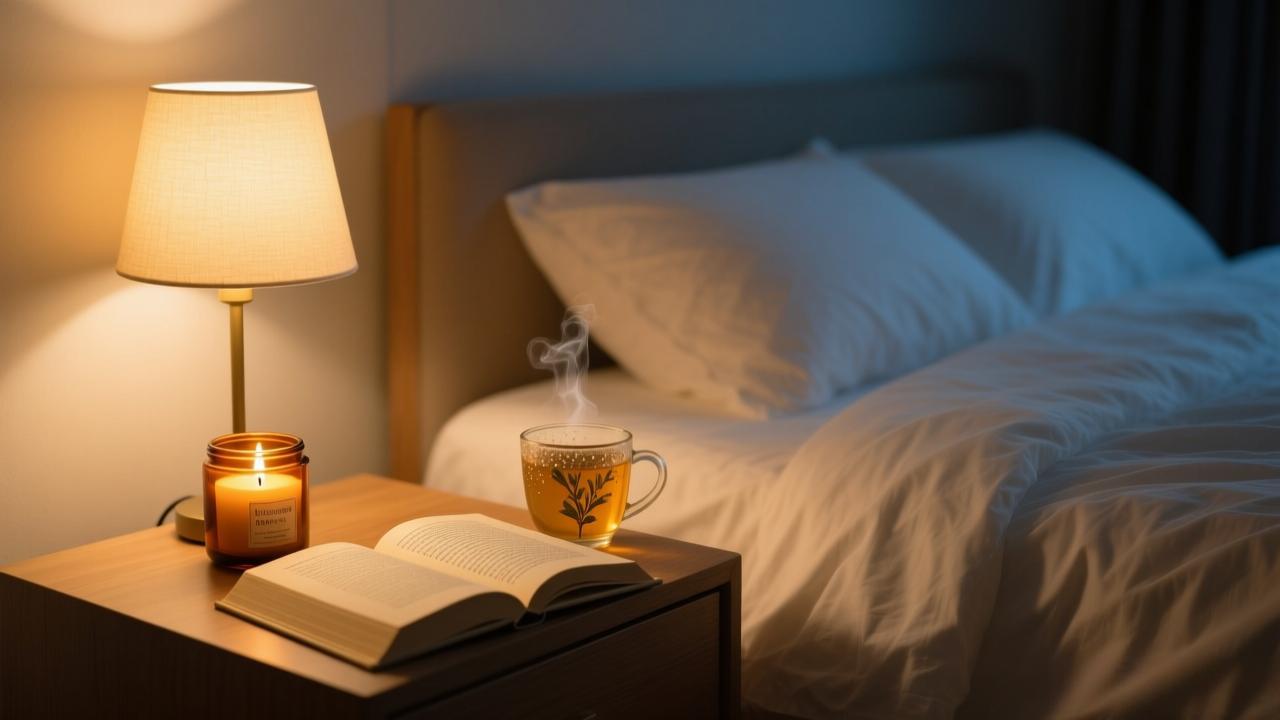
Lavender is one of those scents that people often describe as “calming,” but that word alone doesn’t really capture what it feels like in real life. For me, lavender is less about fragrance and more about a shift in mental state — almost like the environment itself slows down.
Over time, I’ve started to pay attention to how different people respond to it, why it works for some but not others, and how it fits into a nighttime routine in a more meaningful way.
1. The Emotional Feeling of Lavender (What It Actually Feels Like)
When I light a lavender candle in the evening, the first thing I notice is not just the scent, but the change in atmosphere. It feels like the room becomes quieter, even if nothing physically changes.
The aroma itself is soft, slightly herbal, and clean with a subtle floral sweetness. It doesn’t overwhelm the space — instead, it spreads gently and slowly, almost like it is “blending” into the background.
For me personally, it creates a sense of emotional distance from the stress of the day. Not escape, but soft separation.
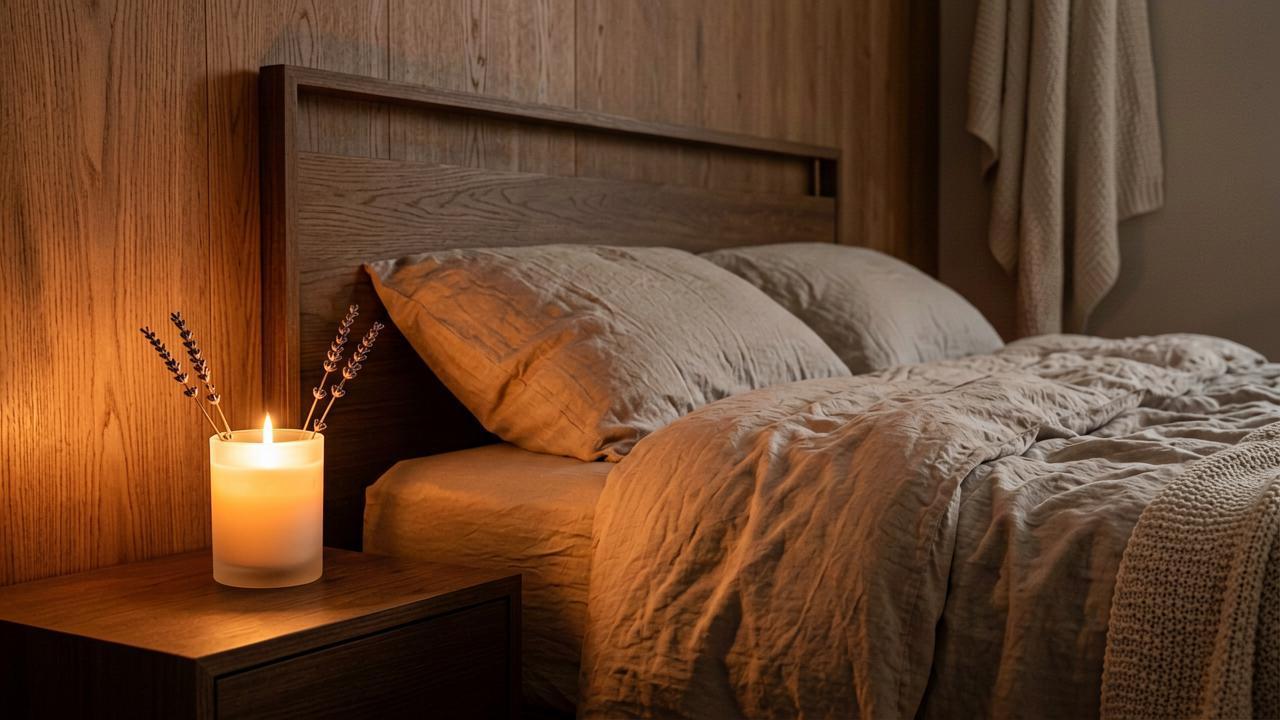
2. The Scent Profile: Why Lavender Feels So Unique
Lavender sits somewhere between floral and herbal. It is not as sweet as rose, not as sharp as eucalyptus, and not as heavy as vanilla. That balance is what makes it so widely used in relaxation products.
The key characteristics I notice are:
- Soft herbal freshness that feels clean and grounding
- Mild floral undertone that adds warmth without sweetness overload
- Low intensity projection, meaning it stays close to the space without feeling intrusive
This combination is what makes lavender feel “safe” in the background — it supports the mood instead of dominating it.
3. Who Lavender Candles Are Best For
From my experience, lavender candles are not for everyone in the same way. Different people connect with it for different reasons.
It tends to work best for people who experience mental overstimulation. This can come from work pressure, constant screen exposure, or simply having a mind that stays active at night.
It also resonates with people who enjoy structured nighttime routines. For them, lavender becomes a signal — a transition point between “day mode” and “rest mode.”
Another group that often connects with it are people who enjoy subtle, non-intrusive home scents. Lavender doesn’t try to impress the room; it simply changes how the room feels.
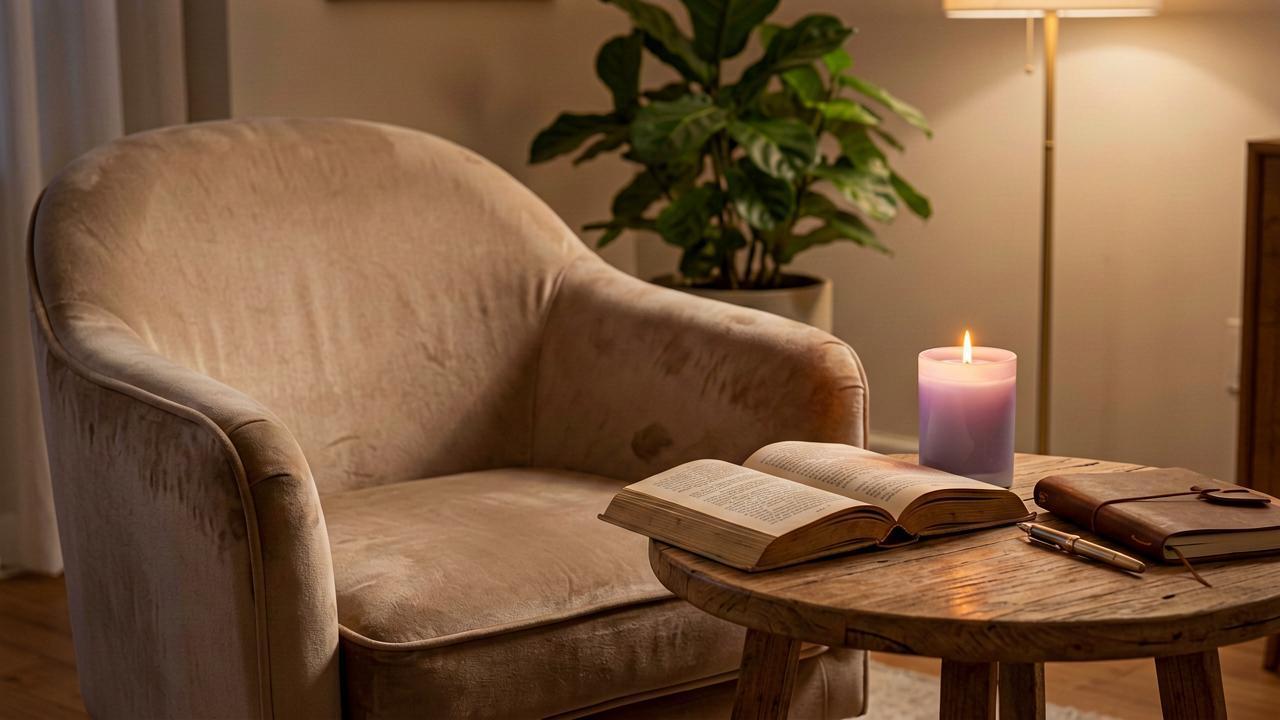
4. Why I Personally Use Lavender Candles at Night
For me, the value of lavender candles is not in what they “do,” but in what they help signal. I’ve found that my mind responds strongly to repeated sensory cues, and lavender has become one of those cues.
When I use it consistently in the evening, it creates a predictable rhythm. Over time, that rhythm becomes part of how I naturally slow down.
One of the candles I personally use for this routine is the Deep Sleep Soy Candle. It has a balanced lavender profile that feels smooth and not overly synthetic, which is important for long sessions of use.
If you want to explore it, you can view it here:
👉 Deep Sleep Soy Candle – Nighttime Relaxation Blend
It’s the type of candle I prefer when I want the room to feel naturally slower without forcing any kind of “relaxation effect.”
5. How Lavender Interacts With Space and Mood
One interesting thing I’ve noticed is that lavender doesn’t just affect mood directly — it changes how you perceive the space you’re in.
Light levels feel softer. Time feels less urgent. Even silence feels more noticeable. It’s not a dramatic change, but a gradual one that builds over time.
This is also why I think lavender works better when used consistently rather than occasionally.
If you want to explore more about how lavender interacts with sleep behavior and nighttime habits, I’ve written a deeper breakdown here:
Do Lavender Candles Really Help With Sleep
The relationship between scent and routine is more psychological than most people realize, and lavender is one of the clearest examples of that connection in daily life.